Do you think your trees might be a problem but aren’t entirely sure? Are you concerned about your trees but are uncertain as to whether it’s time to remove them? Even the most beautiful, durable trees reach their end. If so, then pro tree removal in Los Angeles can be the right course of action.
When warning signs appear, our team can protect structures, vehicles, and outdoor spaces. While trees often remain stable for decades, damage, disease, and structural changes can gradually weaken them. Recognizing these issues early can prevent costly property damage and dangerous situations.
Our crew works with homeowners, businesses, and property managers across Los Angeles to assess trees and determine when removal is the safest option. By identifying hazards early and acting quickly, we help maintain safer landscapes and prevent unexpected problems.
Visible Structural Damage in the Trunk
One of the clearest indicators that a tree may need professional attention is damage to its trunk. The trunk supports the entire canopy and plays a vital role in the tree’s stability. When this structure becomes compromised, the tree may become dangerous.
Signs of trunk damage include:
- Deep vertical cracks in the bark
• Large cavities or hollow areas
• Splitting that runs along the trunk
• Significant leaning that appears sudden or severe
When these symptoms appear, the internal strength of the tree may already be compromised. In many cases, tree removal in Los Angeles becomes the safest way to prevent the tree from falling unexpectedly.
Large Dead Branches in the Canopy
Branches naturally age and fall as part of a tree’s life cycle. However, when large sections of the canopy begin dying, the tree may pose a risk to nearby structures and people.
Dead branches are often brittle and can break off during wind, storms, or even calm weather (as the state explains here). When these limbs hang over roofs, driveways, or sidewalks, they can create serious hazards.
Our team evaluates the canopy carefully when assessing a property. If a tree has widespread dead limbs or a canopy that is losing significant growth, tree removal in Los Angeles may be the safest course of action.
Removing a hazardous tree prevents large branches from falling and damaging surrounding property.
Leaning Trees That Continue to Shift
Many trees grow with slight natural leans. However, when a tree begins leaning more than usual or shifts noticeably over time, it can signal instability.
A leaning tree may have experienced root damage, soil movement, or structural weakening in the trunk. These issues can cause the tree to gradually tilt further until it eventually falls.
When these symptoms appear, prompt tree removal in Los Angeles helps prevent the tree from collapsing unexpectedly.
Warning signs associated with dangerous leaning include:
- Exposed or lifted roots near the base
• Soil cracking around the trunk
• Sudden changes in the tree’s angle
• Branches that now extend over structures
Tree Cutting to Address Dangerous Growth
Some hazardous trees develop excessive growth that places stress on the trunk or surrounding branches. When limbs extend too far or grow unevenly, they can destabilize the tree’s structure.
In certain situations, targeted tree cutting may reduce the risk by removing specific limbs. Our team evaluates each case carefully to determine whether trimming can stabilize the tree or if full removal is necessary. You can see the results here.
When the structural issues are too severe, removing the tree is often the safest option for protecting the surrounding property.
Root System Problems That Affect Stability
The root system anchors a tree in place. When roots become damaged or diseased, the tree may lose its ability to remain upright.
Root problems are sometimes difficult to detect at first because they occur underground. However, several visible signs can indicate trouble below the surface.
These signs include:
- Mushrooms or fungal growth around the base
• Soil that appears lifted or disturbed
• Roots that have become exposed
• The tree leaning after heavy rain or wind
When the root structure weakens significantly, the tree may no longer have the support it needs to remain stable. In these cases, tree removal in Los Angeles prevents the tree from toppling during storms or strong winds.
Trees Growing Too Close to Structures
Another common issue involves trees planted too close to buildings, fences, or power lines. As trees mature, their roots and branches may expand into areas that create safety concerns.
Branches may begin scraping against roofs or walls, while roots may push against foundations or walkways. Over time, these issues can lead to structural damage.
When a tree grows into these sensitive areas and trimming cannot correct the problem, tree removal in Los Angeles provides a long-term solution.
Our team removes the tree carefully while protecting surrounding structures and landscaping.
After Tree Removal in Los Angeles: Planting
Removing a hazardous tree often opens space for new landscaping opportunities. In many cases, property owners choose to replace the removed tree with a more suitable species.
Tree planting allows property owners to maintain greenery on their property while avoiding the problems that led to the previous tree’s removal. By selecting the right species and placement, new trees can grow safely without interfering with structures or utilities.
This approach helps maintain the natural beauty of the landscape while reducing the likelihood of future hazards.
Storm Damage That Weakens Trees
Southern California occasionally experiences strong winds and seasonal storms that can damage trees significantly. Even a single storm can cause branches to split, trunks to crack, or roots to shift.
After severe weather, trees may appear stable but have hidden damage that makes them vulnerable to collapse later. Our team frequently performs inspections following storms to evaluate trees that may require removal.
Signs of storm-related damage include:
- Major limbs hanging loosely in the canopy
• Sections of bark torn away from the trunk
• Branches that have partially broken but remain attached
• Visible cracks forming after high winds
In these situations, tree removal in Los Angeles helps eliminate unstable trees before they fall during future storms.
Safe Equipment and Professional Removal Methods
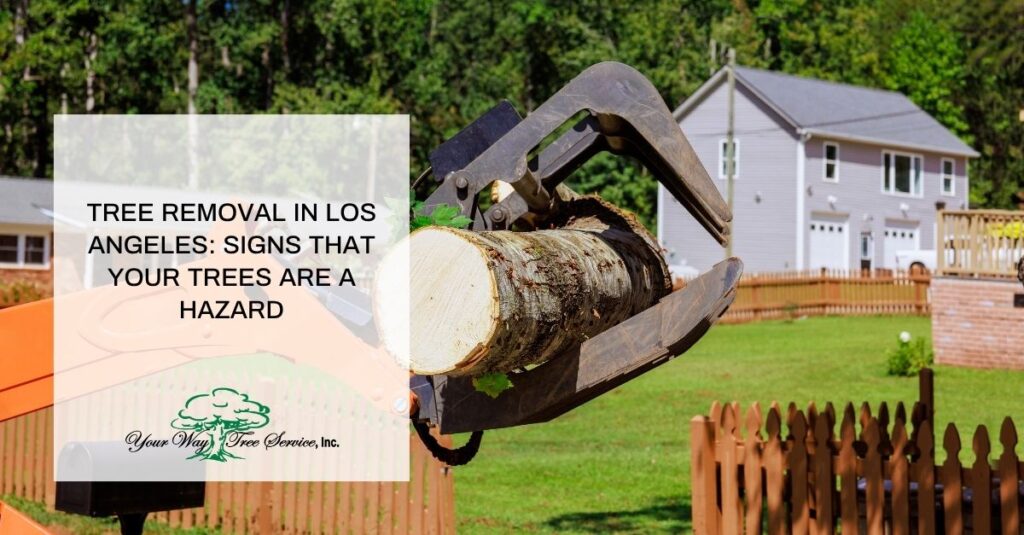
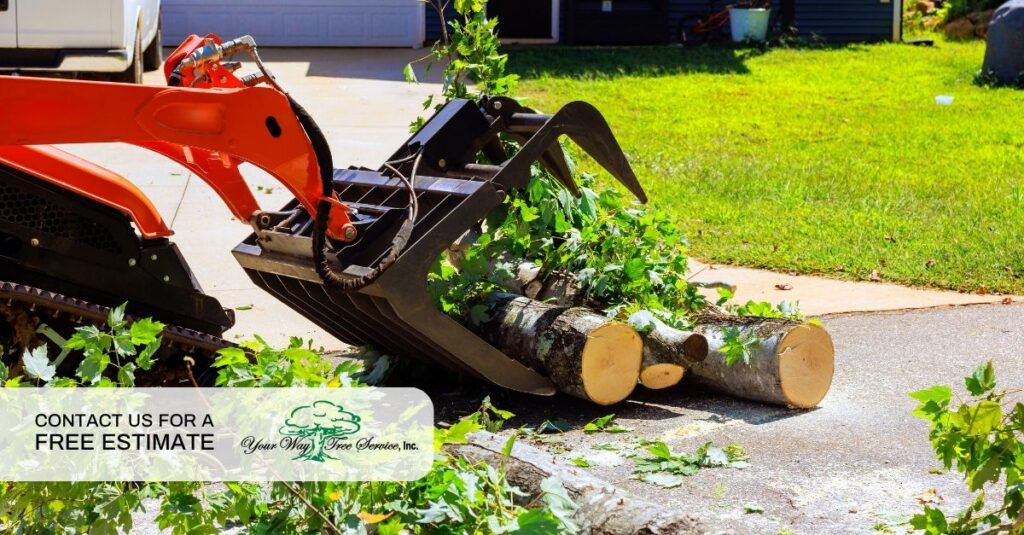
Removing a hazardous tree requires specialized equipment and careful planning. Our team uses professional tools and proven techniques to complete the job safely.
Our removal process often includes:
- Evaluating the tree’s condition and surrounding environment
• Sectioning the tree into manageable pieces
• Lowering large limbs safely to the ground
• Clearing debris from the property after removal
This systematic approach allows us to remove trees even in tight spaces near homes, driveways, or commercial buildings. We have residential and commercial clients throughout the area.
Restoring Your Landscape After Hazardous Trees Are Removed
Once a dangerous tree has been removed, the surrounding property often feels more open and secure. Without the risk of falling limbs or structural collapse, property owners can enjoy their outdoor spaces with greater peace of mind.
Removing unstable trees can also create opportunities to redesign landscaping, expand outdoor living areas, or introduce new plantings better suited to the space.
Through professional tree removal in Los Angeles, our team helps property owners eliminate hazards while restoring order and safety to their landscapes. By identifying warning signs early and acting quickly, we support safer residential and commercial properties throughout the region.