

Proper tree pruning helps keep branches from becoming overgrown, diseased, damaged, or structurally unstable. These issues may affect not only the health of the tree but also the safety of people, buildings, vehicles, and nearby landscapes.
Whether you own a home, manage a commercial property, or oversee a large outdoor space, knowing when and why pruning is necessary can help you avoid costly problems while preserving the beauty of your trees.
What Is the Difference Between Tree Pruning and Tree Trimming?
Many people use the terms interchangeably, but they serve different purposes.
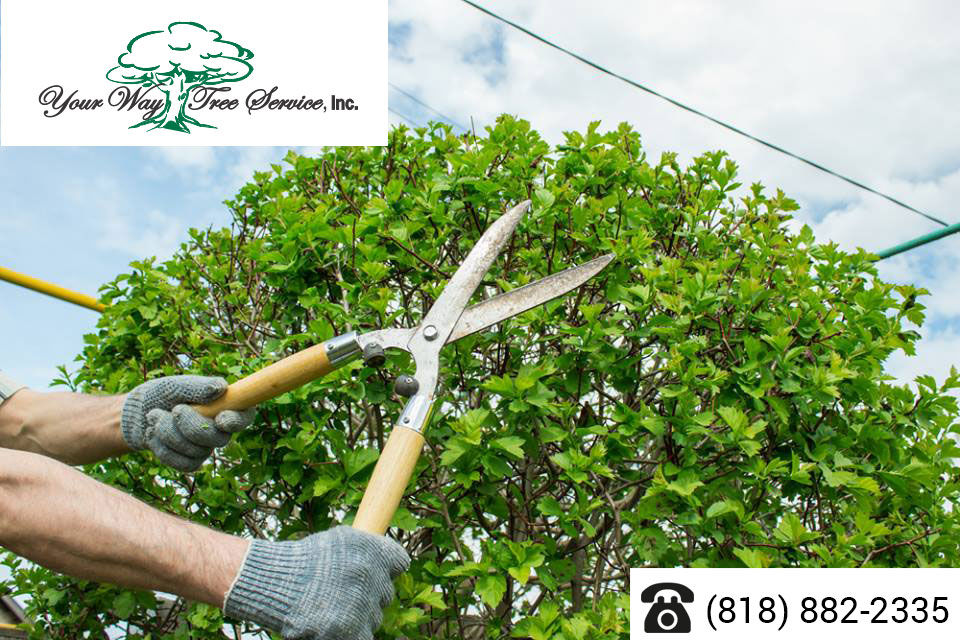
Tree trimming is generally focused on appearance and maintenance. It involves cutting back excess growth to improve the shape, symmetry, and overall appearance of a tree. Trimming can also help prevent branches from interfering with structures, sidewalks, signs, and utility areas.
Tree pruning, on the other hand, is more focused on the health and structural integrity of the tree. During pruning, specific branches are carefully removed to eliminate defects, improve growth patterns, reduce disease risks, and strengthen the overall structure.
A professional evaluation helps determine which service is most appropriate. In many cases, a tree may benefit from both pruning and trimming as part of a comprehensive maintenance plan.
Common Goals of Professional Tree Care
Property owners often schedule service to address concerns such as:
- Dead or dying branches
- Storm-damaged limbs
- Disease prevention
- Improved tree structure
- Enhanced visibility
- Clearance around buildings
- Increased sunlight penetration
- Reduced safety hazards
- Improved property appearance
By addressing these issues proactively, trees can remain healthier and more resilient throughout the year.
Signs Your Trees May Need Immediate Attention
Trees often provide warning signs before problems become severe. Recognizing these indicators early can help prevent damage and reduce future maintenance costs.
Some common signs include hanging branches, visible cracks, uneven growth patterns, branches rubbing against each other, and limbs extending too close to roofs or structures.
You may also notice areas of decay, fungal growth, or branches that fail to produce leaves during the growing season. These conditions may indicate declining health that requires professional assessment.
Ignoring these warning signs can allow problems to spread throughout the tree, increasing the likelihood of branch failure during high winds or storms.
Structural Issues Can Develop Gradually
Not every hazard is immediately obvious. Some trees develop structural weaknesses over many years.
Co-dominant stems, poor branch attachments, and uneven weight distribution can create hidden risks. Professional inspections allow trained crews to identify these concerns before they result in property damage or personal injury.
Our team evaluates both the visible condition of the tree and the long-term growth patterns that may affect stability.
What Are the Safety Risks of Ignoring Tree Pruning?
One of the primary reasons property owners seek professional care is safety. Trees naturally grow larger and heavier over time. Without proper maintenance, weak or damaged branches may eventually fail.
A falling limb can cause significant damage to roofs, vehicles, fences, walkways, outdoor equipment, and landscaping features. In some situations, falling branches can also create serious risks for pedestrians, employees, customers, or family members.
Professional tree pruning helps reduce these hazards by removing branches that present a threat before they become emergencies.
Storm Damage Often Starts With Neglected Branches
Southern California weather can bring periods of strong winds, heavy rain, and occasional storms. Trees that have not been maintained are often more vulnerable to weather-related failures.
Overextended limbs can act like sails during high winds, increasing stress on the trunk and root system. Weak attachments may break unexpectedly, sending large branches onto nearby structures.
Regular maintenance helps improve wind resistance while reducing excessive weight throughout the canopy.
Safety Concerns for Commercial Properties
Commercial property owners face additional responsibilities when it comes to maintaining safe outdoor environments. We also have extensive commercial tree care experience.
Trees located near parking lots, sidewalks, entryways, and outdoor gathering areas should be monitored carefully. Overgrown branches can obstruct visibility, interfere with signage, and create potential liability concerns.
Routine inspections and maintenance help commercial properties remain attractive, functional, and safe for visitors.
How Tree Health Benefits From Professional Care
Trees are living organisms that continuously respond to environmental conditions. When damaged or diseased branches remain in place, they can divert resources away from healthy growth.
Removing compromised limbs allows the tree to allocate energy more efficiently. This often supports stronger development, improved structure, and greater resilience.
Professional pruning can also improve airflow throughout the canopy. Better circulation helps reduce moisture buildup, which may contribute to fungal growth and other health concerns.
Encouraging Stronger Future Growth
Selective branch removal helps guide future development.
When performed correctly, pruning can encourage stronger branch architecture and improve balance throughout the tree. This creates a more stable structure that is better equipped to withstand environmental stresses.
Young trees often benefit significantly from early corrective pruning because it helps establish healthy growth patterns that can last for decades.
Protecting Your Property From Expensive Damage
Trees located near buildings require careful monitoring. Branches that extend over roofs may scrape shingles, clog gutters, or create entry points for pests.
Roots and canopies can also affect nearby structures if growth is not managed appropriately.
Routine maintenance can help property owners avoid expensive repairs by identifying potential problems before they escalate.
Improving Visibility Around Your Property
Overgrown trees sometimes block important sightlines.
This can affect:
- Driveway visibility
- Parking lot safety
- Security camera coverage
- Business signage
- Outdoor lighting effectiveness
- Traffic visibility near entrances
Strategic branch removal helps maintain clear views while preserving the natural beauty of the landscape. All of that having been said, sometimes the best course of action is tree removal.
When Is the Best Time of Year for Professional Tree Pruning?
The ideal timing depends on the species, condition, and goals associated with the tree. While some maintenance can be performed throughout much of the year, certain seasons may offer specific advantages.
Many trees respond well to pruning during dormant periods because growth activity slows and stress is reduced. Dormancy often allows professionals to evaluate branch structure more easily and make precise cuts that support healthy future growth.
However, timing recommendations vary depending on the type of tree and the specific issue being addressed.
Emergency Situations Should Not Wait
Although seasonal timing is important, hazardous conditions should be addressed immediately.
If a tree has suffered storm damage, contains broken limbs, or presents a safety risk, prompt emergency tree care is typically the best course of action. Waiting for a preferred season may increase the likelihood of property damage or injury.
Our crews evaluate each situation individually to determine the safest and most effective solution.
How Professional Equipment Makes a Difference
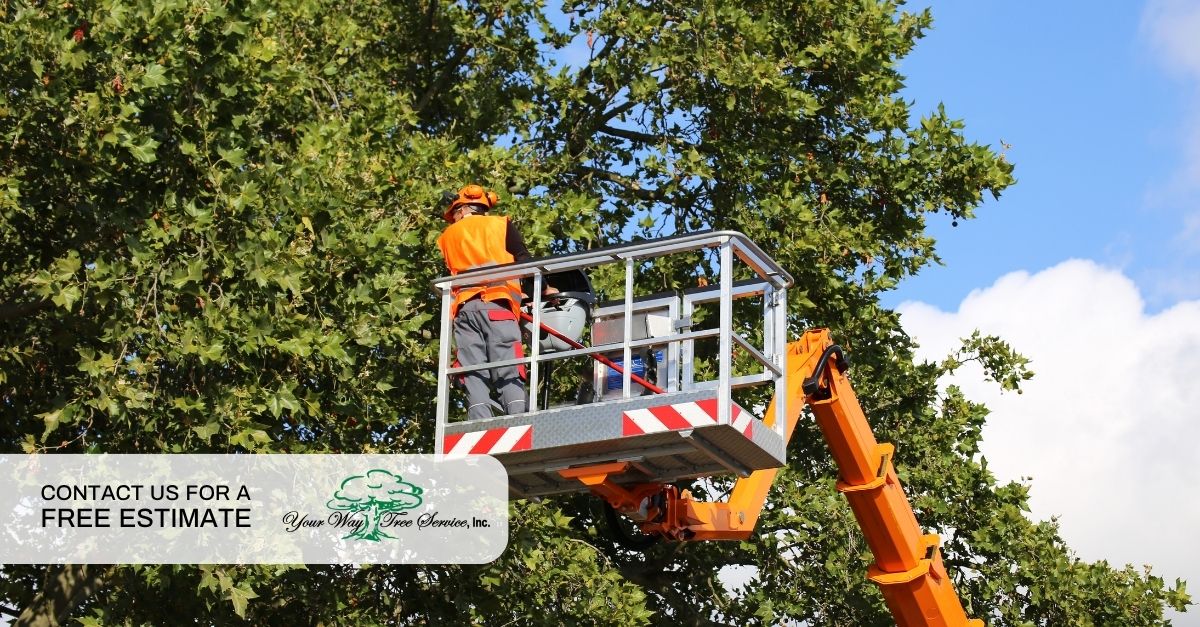
Tree work often involves significant heights, heavy branches, and specialized cutting techniques. Attempting large-scale pruning without proper equipment can be dangerous.
Professional crews use specialized tools and safety procedures designed for efficient and controlled branch removal.
Depending on the size and location of the tree, equipment may include:
- Pole saws
- Professional climbing gear
- Rigging systems
- Chainsaws
- Aerial lift equipment
- Safety harnesses
- Protective gear
Using appropriate equipment helps ensure the work is completed safely while minimizing impact on surrounding property. As an ISA Certified Arborist, you can rest assured that your property is in good hands.
Proper Cutting Techniques Matter
Every cut affects the future growth of a tree.
Improper cuts can create wounds that heal poorly, increase susceptibility to disease, or stimulate undesirable growth patterns. Professional arboricultural practices focus on preserving tree health while achieving the desired maintenance objectives.
Our service emphasizes careful planning and precise execution to support long-term results.
Customized Care for Residential and Commercial Properties
Healthy, properly maintained trees can remain valuable assets for many years. Through professional tree pruning, careful inspections, and experienced service, we help homeowners and businesses maintain safer, healthier, and more attractive outdoor environments throughout every season.
Every property has unique needs. A mature shade tree near a family home requires a different approach than ornamental trees surrounding a commercial facility.
We tailor our recommendations based on factors such as tree species, age, location, condition, and overall landscape goals.
Whether the objective is improving safety, enhancing appearance, supporting tree health, or preparing for seasonal weather conditions, customized service helps deliver more effective outcomes.
Property owners who schedule regular evaluations often find that preventive maintenance is more cost-effective than addressing major problems after they develop.